
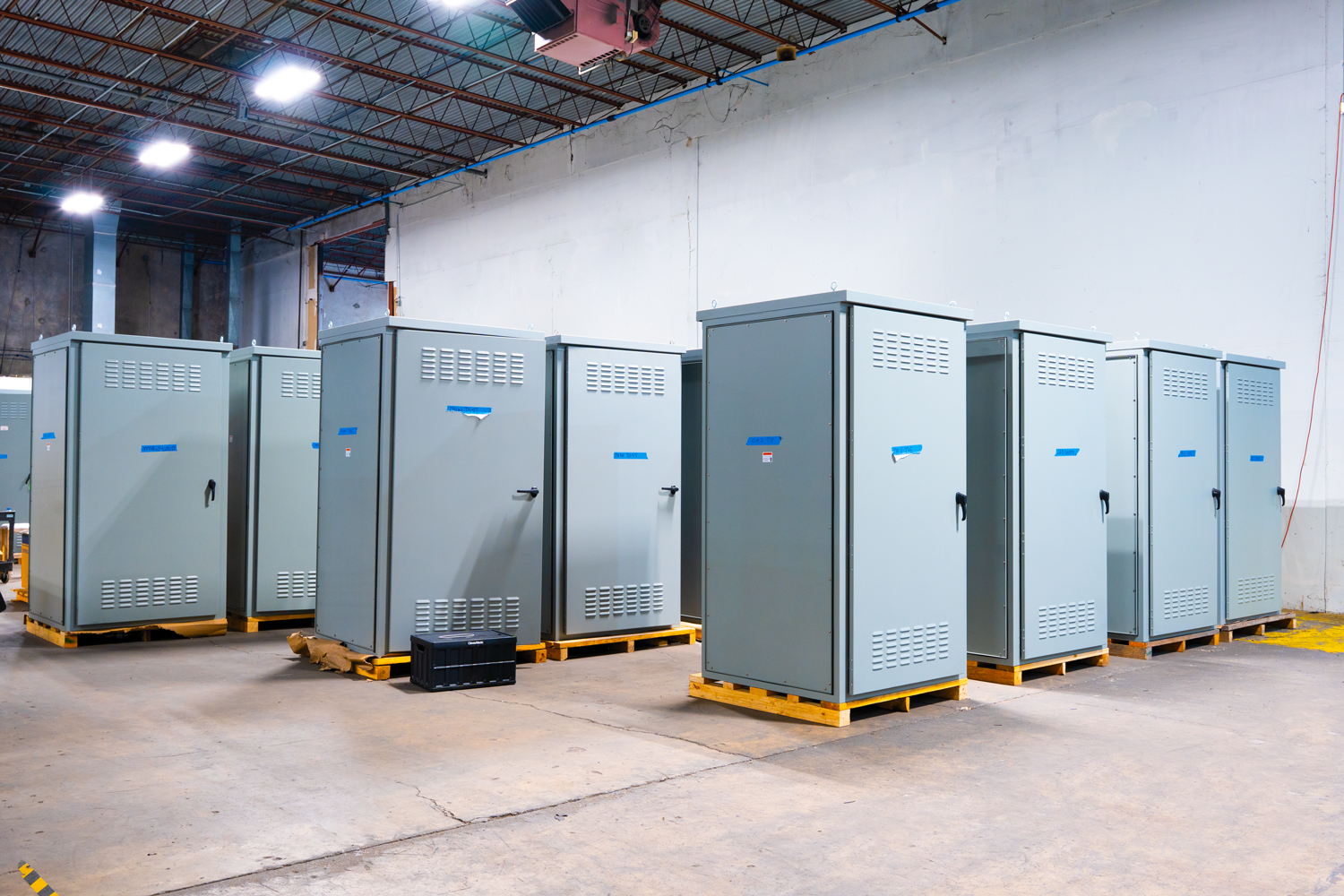
When engineers, contractors, and industrial operators evaluate switchboards, one acronym consistently stands above the rest: UL891. It appears on specifications, data sheets, drawings, and cut sheets—but what does it actually mean in practical terms? And more importantly, why does it matter?
For MCXP Solutions, UL891 is far more than a certification. It’s a commitment to reliability, consistency, and long-term electrical performance. It’s the foundation of how we design and build the switchboards that keep industrial and commercial facilities powered safely and efficiently.
This article explores the depth of UL891—not as a technical checklist, but as an engineering philosophy that influences every switchboard MCXP manufactures.
The Origin of UL891: Setting a Standard for Safe Power Distribution
UL (Underwriters Laboratories) created UL891 to ensure that low-voltage switchboards meet strict standards for:
In other words, UL891 exists to ensure that the equipment responsible for distributing electrical power won’t fail under real-world conditions.
MCXP’s engineering team works with UL standards daily. They understand not just the requirements, but the intent behind them: protecting systems, people, and property.
Why UL891 Matters for Industrial Operations
Your content goes here. Edit or remove this text inline or in the module Content settings. You can also style every aspect of this content in the module Design settings and even apply custom CSS to this text in the module Advanced settings.
1. Proven Safety Under Real Fault Conditions
UL891 requires that switchboards withstand short-circuit and overload events at specific ratings. This ensures the equipment won’t rupture, deform, or become hazardous during high-energy faults.
2. Proper Clearances and Spacing
UL891 defines exact distances between:
These distances prevent arc faults, overheating, and maintenance hazards.
3. Structural Integrity
Enclosures must resist mechanical stress, vibration, and environmental forces. MCXP builds its switchboards with rigid, durable construction to meet these standards.
4. Reliable Operation Over Time
UL testing ensures:
UL891 at MCXP: Built into Every Decision
For MCXP, UL891 isn’t just a requirement—it’s the baseline. Every switchboard starts with a design philosophy rooted in safety and durability.
In many shops, UL compliance is treated as an obligation. At MCXP, it’s treated as an advantage.
The team doesn’t wait until the final stage to verify clearance or spacing. These checks start early—long before any component is mounted or wire is pulled. Fabrication, wiring, engineering, and testing operate like a single system aligned around UL891.
The result? Fewer redesigns. Faster production. A smoother workflow. And most importantly—switchboards that arrive onsite ready for installation with minimal field adjustments.